

This article is for informational purposes only and does not constitute financial or investment advice. Cryptocurrency markets are highly volatile. Always do your own research before making any investment decisions.
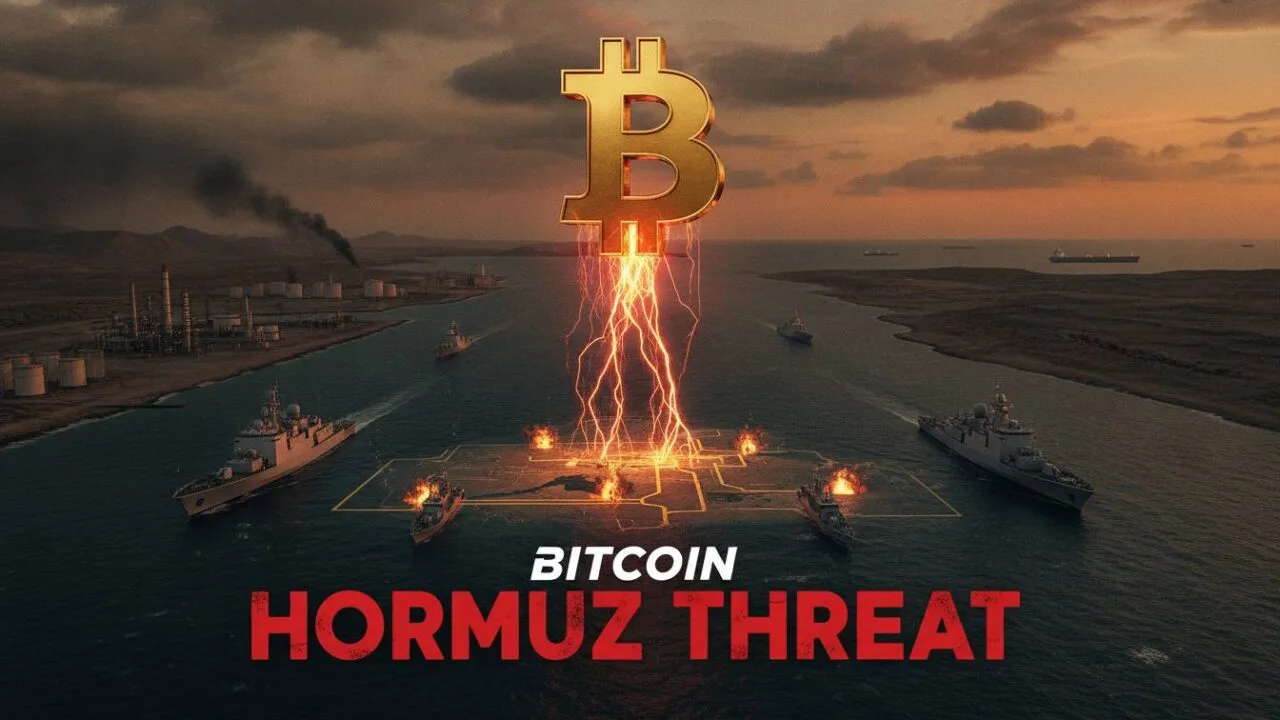
Bitcoin stayed near $64,000 over the weekend amid rising geopolitical tensions, CoinDesk said. Iran’s fresh threats to close the Strait of Hormuz complicate US-Iran ceasefire talks in Switzerland, clouding peace hopes and causing careful investor moves in crypto markets. Ethereum rose 0.5% to $1,734. Solana gained 1.5% to $73, showing resilience among major cryptocurrencies.
The Strait of Hormuz—a vital oil route—became crucial again after Iran ordered closure. This move risks more conflict with the United States, CoinDesk reports, hurting ceasefire talks held in Switzerland that aim to ease regional tensions. Such geopolitical risks tend to cause market swings, and Bitcoin’s near $64,000 price shows investor caution against uncertain outcomes. This situation also coincides with crypto exchange volumes dropping 3.45% to $4.41 trillion—the lowest since September 2024, per CoinDesk, reflecting risk aversion among traders.
Meanwhile, volumes for RWA (real-world asset) perpetual futures rose 10.4% to an all-time high.
Bitcoin Price Stability Despite Market Volatility
Bitcoin holding steady near $64,000 amidst Hormuz tensions suggests market stability despite shocks. CoinDesk during the weekend showed Bitcoin hovering near $64,200 before settling close to $64,000. Buyers defended this support level amid choppy trading. Ethereum’s small 0.5% gain to $1,734 and Solana’s 1.5% rise to $73 also show altcoins maintaining some strength despite risks.
The Iran-US ceasefire uncertainty appears to reduce aggressive speculative trades, seen in softer exchange volumes. Still, Bitcoin’s hold near $64,000 shows a support floor backed by ongoing institutional demand; markets weigh risk related to tension without causing total selloff.
Ceasefire Talks and Their Crypto Implications
Crypto News reports ceasefire progress or setbacks tend to directly affect Bitcoin’s volatility, as investors use Bitcoin to hedge geopolitical risk or shift liquidity. With Bitcoin steady near $64,000 during talks, market players seem cautious while preparing for quick changes in outlook.
Broader Crypto Market Trends Amid Tensions
The wider crypto market shows mixed results as investors respond to geopolitical and market shifts. CoinDesk notes combined exchange volumes fell 3.45% to $4.41 trillion—the lowest since September 2024. Some altcoins like Tron rose 1.2%, while Dogecoin dropped 4.9% over seven days, showing mixed token sentiment. The 10.4% rise in RWA perpetual futures volume points to growing interest in crypto linked to real-world economic activity.
What Traders Should Watch Next
Daily updates about the Strait of Hormuz and US-Iran ceasefire progress should be closely watched by traders. These will likely shape Bitcoin and altcoin volatility and trading volume. Cryptoticker says Bitcoin support near $64,000 will reveal market confidence amid shocks.
Bitcoin holding near $64,000 amid Hormuz threats and ceasefire troubles shows its role as a speculative asset and geopolitical risk gauge. CoinDesk data on declining exchange volumes combined with rising RWA futures reveal detailed investor positioning in uncertain times. Investors and analysts continue watching politics and market data closely to judge Bitcoin’s strength and trends amid global uncertainty.